Understanding Shower Screens for Wet Rooms
In the world of modern bathroom design, shower screens for wet rooms have become a vital element, enhancing both aesthetics and functionality. These screens serve as a divider between the wet and dry areas, providing a seamless look while preventing water from splashing outside the shower area. In this guide, we will explore shower screens, the benefits they offer, and how to choose the right design for your wet room.
What Are Shower Screens?
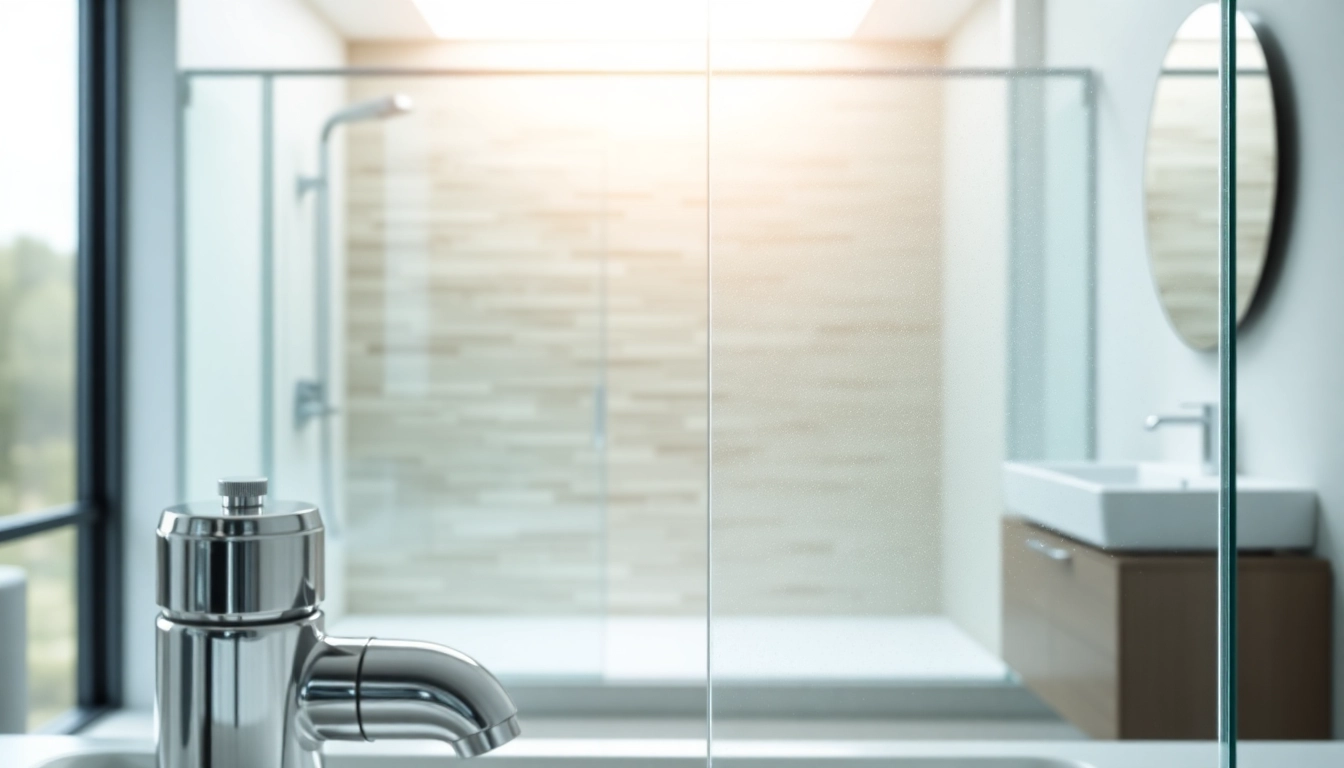
Shower screens are transparent or semi-transparent structures, usually made of glass or acrylic, that act as partitions in a shower area. Their primary purpose is to keep water contained within the shower space while also adding a stylish touch to the bathroom. Unlike traditional shower curtains, which can trap moisture and are often not as visually appealing, shower screens provide a modern look and are easier to maintain. They come in various designs—such as framed, frameless, and semi-frameless—allowing homeowners to select options that fit their aesthetic preferences and space requirements.
Benefits of Using Shower Screens in Wet Rooms
The incorporation of shower screens in wet rooms offers numerous advantages, including:
- Improved Aesthetics: Shower screens often lend a clean, contemporary feel to bathrooms, enhancing overall décor.
- Water Containment: They effectively prevent water from spilling into the dry areas of the bathroom, minimizing slip hazards.
- Easy Maintenance: Glass shower screens are easier to clean compared to shower curtains, which can accumulate mildew.
- Visibility and Space Perception: Transparent screens make the space feel larger and more open, an important factor in smaller bathrooms.
- Customization: Various materials and styles allow for personalization to match individual preferences and bathroom layout.
Choosing the Right Design Style
Selecting a style for your shower screens can greatly impact the overall aesthetic of your wet room. Key style considerations include:
- Framed vs. Frameless: Framed options offer sturdiness, while frameless designs create a sleek, minimalistic appearance.
- Glass Texture: Clear glass screens provide unobstructed views, whereas frosted or textured glass can enhance privacy.
- Sliding vs. Hinged: Depending on your space, you may prefer a sliding screen for small areas or a hinged door for more accessibility.
Factors to Consider When Selecting Shower Screens for Wet Rooms
Material Choices and Durability
Choosing the right material for your shower screen is crucial for both style and longevity. The most common materials include:
- Tempered Glass: Known for its strength and safety, tempered glass is a popular choice for shower screens. It’s five to six times stronger than standard glass and shatters into small, safe pieces if broken.
- Acrylic: Acrylic screens are lightweight and less prone to shattering, but they can scratch more easily than glass.
- Polycarbonate: This material is highly durable and resistant to impacts, making it a good alternatives for specific applications.
Size and Layout Considerations
It’s essential to consider the size of your wet room and layout when selecting shower screens. Measure the available space accurately to avoid any installation issues. Some factors to take into account include:
- Wall Position: Determine where the wall-mounted screen will be placed for optimal water containment.
- Screen Height: Higher screens offer more protection from splashes but may affect the openness of the room.
- Accessibility: Ensure that the design allows for easy entry while maintaining a functional shower area.
Budgeting for Your Shower Screen
Budget is a critical factor in any renovation project. Prices for shower screens can vary widely based on material, design, and size. When budgeting:
- Assess Your Needs: Consider what you need from the screen and where your budget can allow flexibility.
- Include Installation Costs: If you’re hiring a professional to install your screens, factor in labor costs in addition to the material expenses.
- Long-Term Value: Investing in high-quality materials can save costs on replacements and repairs in the long run.
Maintenance Tips for Shower Screens in Wet Rooms
Cleaning Techniques for Glass Screens
Maintaining clear and streak-free shower screens requires regular cleaning. For optimal results:
- Use a Soft Cloth: Avoid abrasive materials that could scratch the surface.
- Choose the Right Cleaner: A mixture of vinegar and water is effective, or use specialized glass cleaners for tougher stains.
- Dry Immediately: To prevent water spots, dry the screens with a squeegee or soft towel post-use.
Preventing Mold and Water Damage
Keeping your wet room mold-free is essential for both health and longevity of the materials. Consider the following:
- Ventilation: Ensure adequate ventilation to reduce humidity levels that encourage mold growth.
- Water-Repellent Treatments: Applying a water-repellent solution can help prevent water buildup.
- Regular Inspections: Routinely check for leaks or water pooling that could indicate a problem.
Regular Upkeep Best Practices
Establishing a maintenance routine can prolong the life of your shower screens:
- Weekly Cleaning: Set aside time each week for basic cleaning to prevent buildup.
- Inspect Seals: Regularly check the seals and edges for wear and tear.
- Professional Check-Ups: If needed, engage professionals to assess and maintain your installations periodically.
Popular Trends in Shower Screens for Wet Rooms
Frameless vs. Framed Options
The debate between framed and frameless shower screens continues. Framed screens provide durability and are often more budget-friendly, whereas frameless options are stylish and create an airy space. Many homeowners prefer the minimalist aesthetic of frameless designs to enhance light and vision in their bathrooms.
Textured Glass and Privacy Solutions
Textured glass has seen a surge in popularity for those seeking privacy without sacrificing style. Options such as etched or frosted glass provide a barrier from outside views while still allowing light to flow through. This trend is particularly appealing in shared bathrooms and wet rooms.
Innovative Designs Enhancing Functionality
Design innovations are making shower screens more functional than ever. Features such as built-in storage solutions, easy-to-clean surfaces, and adjustable models cater to evolving consumer needs. Customization is key—homeowners can now select screens that enhance not only the beauty but also the practicality of their wet rooms.
FAQs about Shower Screens for Wet Rooms
What materials are best for shower screens?
Tempered glass is the most popular due to its durability and safety features. Acrylic and polycarbonate are also viable options depending on your needs.
How do I maintain my shower screens?
Regular cleaning with a soft cloth and appropriate cleaners, along with immediate drying, will prevent stains and water spots.
Are shower screens safe for small bathrooms?
Yes, shower screens can enhance the perception of space in small bathrooms, especially frameless designs that allow light flow.
What style suits my bathroom decor?
Choose designs that complement your overall bathroom aesthetic. Modern bathrooms often benefit from frameless screens, while traditional setups may suit framed options.
Can I install a shower screen myself?
While some homeowners can manage a DIY installation, professional assistance is recommended for optimal fit and safety adherence.
About the Author