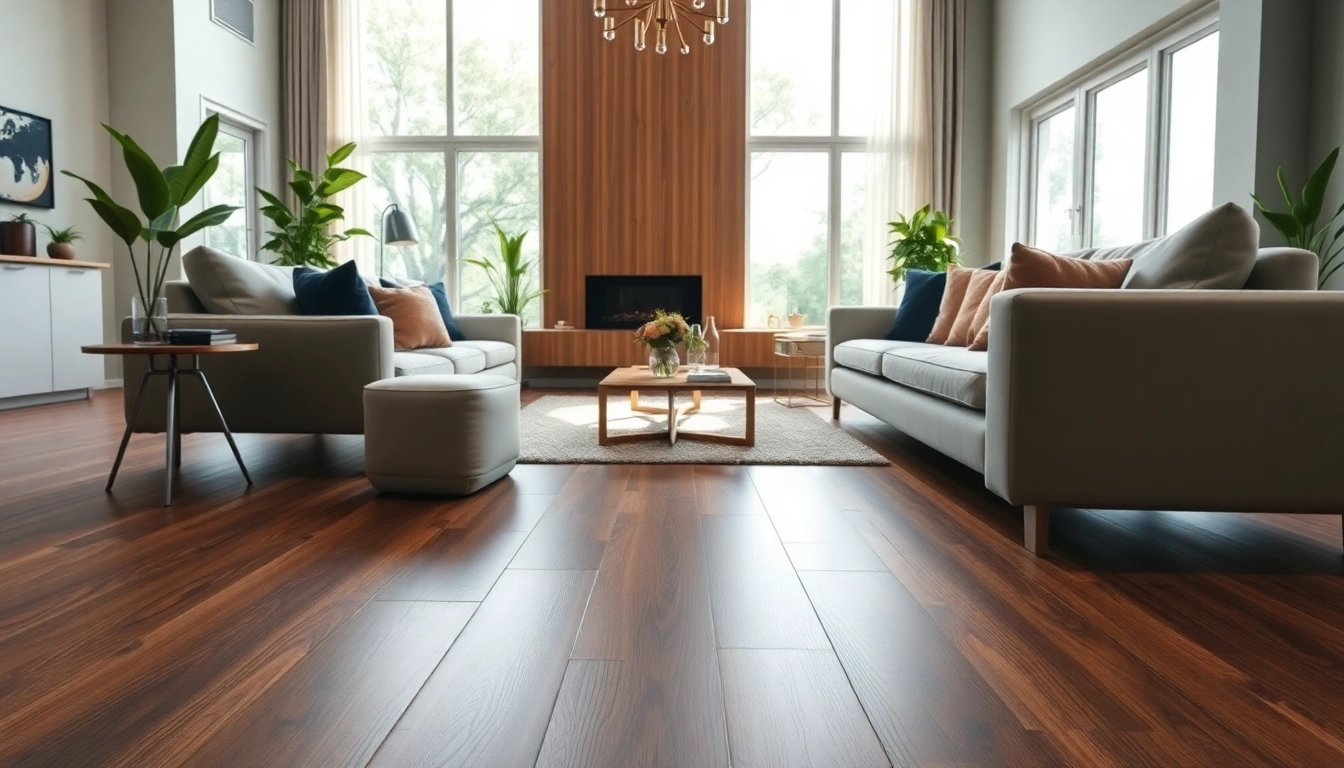
Choosing the Best LVP Flooring: Key Factors to Consider
When planning to enhance your home’s aesthetic, one of the best investments you can make is selecting high-quality flooring. best lvp flooring ensures not only visual appeal but also functionality. Understanding the various options available and their unique attributes is crucial in making a wise flooring choice.
Understanding LVP Flooring Types
LVP, or Luxury Vinyl Plank, flooring has gained immense popularity due to its versatile design options and performance. There are several types varying in construction, thickness, and appearance:
- Rigid Core LVP: This type features a solid core creating a robust flooring solution with minimal flex, ideal for high-traffic areas.
- Flexible LVP: With a softer core, this type is known for its comfort underfoot, making it a popular choice for residential locations.
- Click-Lock LVP: Easy to install, the click-lock mechanism allows for floating installations, eliminating the need for glue or nails.
- Glue-Down LVP: This option offers better sound insulation and is often used in commercial settings due to its enhanced durability.
Understanding these types helps in selecting the best fit for your space, ensuring that you get the desired mix of aesthetics and performance.
Water Resistance and Durability
One of the standout features of the best lvp flooring is its impressive water resistance and overall durability. Unlike traditional hardwood floors, which can warp or buckle when exposed to moisture, LVP is engineered to withstand spills and humidity, making it perfect for kitchens, bathrooms, and basements. The flooring is typically constructed with a protective wear layer that resists scratches, stains, and fading.
Moreover, many manufacturers offer warranties that extend up to 30 years, reflecting the expected longevity of the product. Such durability means that homeowners not only save money on future replacements but also enjoy peace of mind knowing their flooring can handle everyday life.
Style and Aesthetic Appeal
The best lvp flooring offers a vast range of styles, colors, and finishes, enabling homeowners to emulate the look of hardwood, stone, or tile without the associated costs and upkeep. Modern design techniques allow LVP to realistically mimic the grain and texture of natural wood, providing warmth and sophistication to any room.
Furthermore, LVP can be easily incorporated into various design themes—from contemporary minimalist to rustic farmhouse—thanks to its versatility. Homeowners have the freedom to choose from a myriad of planks, tile sizes, and patterns, elevating the overall elegance of their space.
Benefits of Best LVP Flooring Over Traditional Options
Cost-Effectiveness and Longevity
When considering a flooring upgrade, cost is often a determining factor. The best lvp flooring presents a substantial cost advantage over traditional hardwood and stone options. LVP is typically less expensive to purchase and install than its natural counterparts while providing similar aesthetics.
Besides lower upfront costs, LVP’s durability means that you will likely spend less on repairs and replacements, supporting long-term economic benefits. Over the lifespan of the flooring, homeowners can expect substantial savings without compromising on quality.
Easy Maintenance and Cleaning
Another compelling advantage of LVP is its commitment to easy maintenance. Unlike wood, which requires regular sanding, polishing, and moisture control, LVP is straightforward to care for. Regular sweeping and occasional damp mopping are sufficient to keep it looking fresh. Additionally, the protective wear layer resists dirt and grime accumulation, allowing for effortless upkeep.
This low-maintenance quality appeals to busy households, pet owners, and anyone looking to reduce the commitment that traditional flooring entails.
Comfort and Noise Reduction
Comfort is a paramount consideration in flooring choice. The best lvp flooring provides a softer surface than hardwood or ceramic tiles, making it more comfortable for standing or walking. Its density also helps in reducing noise, creating a quieter indoor environment. This quality is particularly beneficial in multi-story homes, where noise levels can be a concern for residents below.
Moreover, many LVP options come with an attached underlayment that enhances comfort and soundproofing even further, ensuring that your living space is tranquil and inviting.
Installation Guide for Best LVP Flooring
Preparing Your Space
Preparation is key to a successful flooring installation. Here’s how to ready your space for best lvp flooring:
- Clear the Area: Remove all furniture, appliances, and any flooring materials currently in place.
- Check for Level Subfloor: Ensure the subfloor is clean, dry, and level to prevent future issues with your installation.
- Acclimate Your Materials: Allow LVP to acclimate to the room temperature for at least 48 hours before installation.
Step-by-Step Installation Process
The installation of LVP is relatively straightforward, making it accessible for DIY enthusiasts. Here’s a brief step-by-step process:
- Measure Your Space: Calculate the square footage to determine how much LVP you’ll need.
- Lay the Underlayment: If your LVP doesn’t come with an attached underlayment, roll it out over your subfloor to improve comfort and sound insulation.
- Start from One Corner: Lay the first plank, ensuring it aligns with your starting wall, and leave a gap for expansion.
- Use the Click-Lock Mechanism: Continue laying planks using the click-lock method, ensuring each plank connects securely.
- Cut Planks to Fit: Use a vinyl cutter or utility knife to trim planks accordingly for corners and edges.
- Finish with Baseboards: Once the installation is complete, reinstall or add new baseboards to finish the look.
Maintenance After Installation
After installing the best lvp flooring, maintaining its appearance is straightforward:
- Regularly sweep or vacuum to remove dirt and debris.
- Use a damp mop with a vinyl-safe cleaner for deeper cleaning.
- Avoid harsh chemicals that may damage the protective finish.
Simple maintenance practices will keep your flooring looking pristine for years.
Trends in Best LVP Flooring Designs
Popular Colors and Finishes
The color palette for LVP is extensive, ranging from classic oak and walnut to trendy greys and whites. Darker tones are currently gaining traction, providing depth and richness, while lighter finishes lend an airy, open feel to spaces. Matte finishes are also preferred for their modern look, reducing glare and showcasing the natural beauty of the vinyl.
Combining LVP with Other Materials
Another emerging trend is the integration of LVP with other flooring materials. Combining LVP with tile or carpet can create stunning transitions between different spaces, allowing for unique design statements. This method also enhances functionality, as different materials serve diverse purposes based on their specific environments within the home.
Creating Unique Patterns and Layouts
With advancements in design technologies and installation techniques, homeowners can now experiment with various patterns and layouts. From herringbone and chevron to staggered layouts, the possibilities are endless. This trend encourages creativity, giving homeowners the ability to customize their spaces further based on personal preferences and lifestyle needs.
FAQs About Best LVP Flooring
What is LVP flooring made of?
LVP flooring consists of several layers, including a protective wear layer, a printed design layer that mimics wood or stone, and a durable core layer that provides stability.
How long does LVP flooring last?
With proper maintenance, the best lvp flooring can last anywhere from 15 to 30 years, depending on the quality and type of flooring selected.
Can LVP flooring be installed over existing floors?
Yes, LVP can often be installed over existing floors, provided they are level, clean, and dry. This can save time and additional costs.
Is LVP flooring good for pets?
Absolutely! LVP is highly resistant to scratches and spills, making it an excellent choice for homes with pets.
How do I clean and maintain LVP flooring?
Cleaning LVP flooring involves routine sweeping and occasional damp mopping with a manufacturer-approved cleaner to keep it looking new.
About the Author